
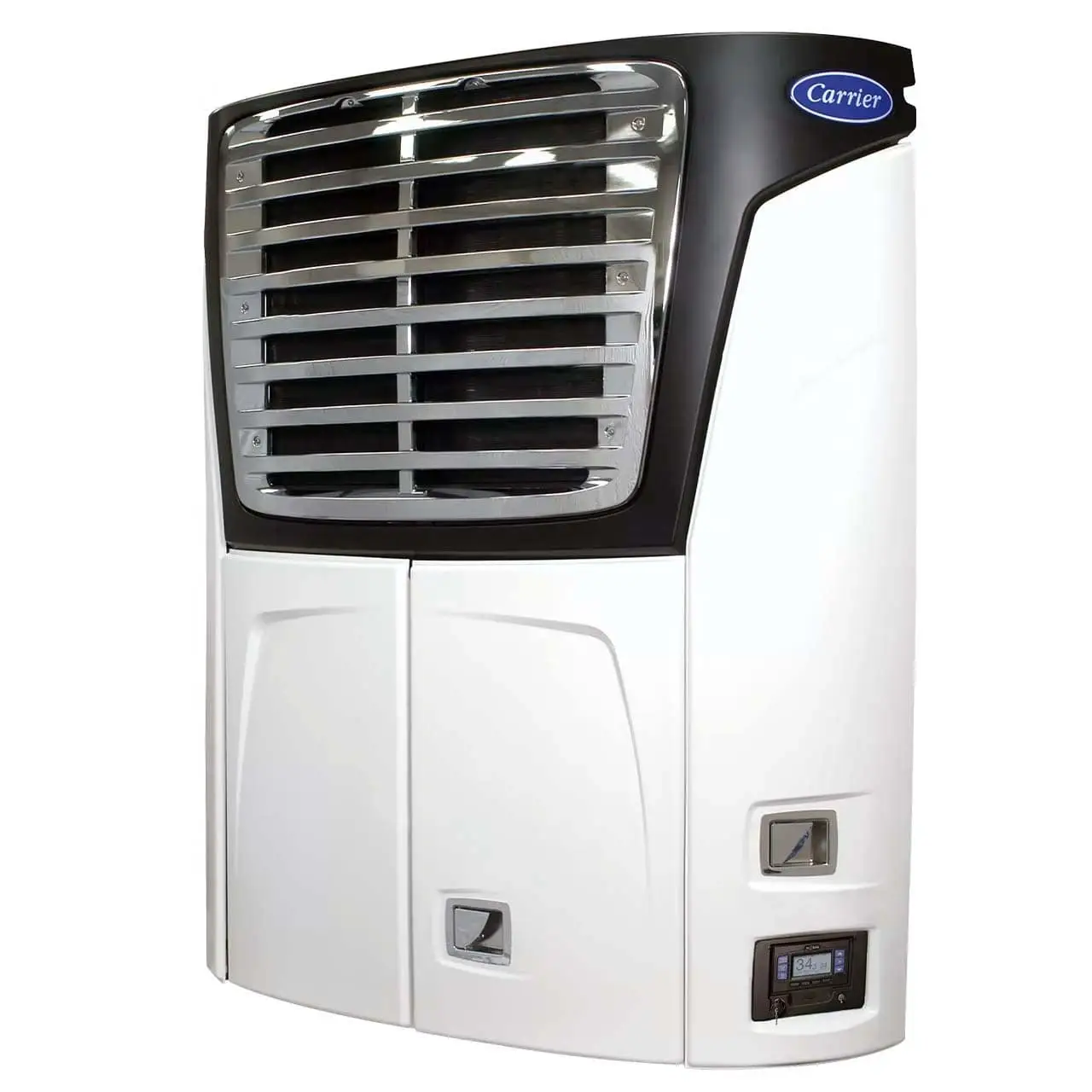
When our fleet manager first suggested we look at used Carrier reefer units instead of new ones, I’ll be honest: I was skeptical. New felt safer. But after digging into the numbers and talking to operators who’d already made the jump, we took a closer look at a 2020 Carrier X4 7300. Six months later, I wish we’d done it sooner.
The Real Talk About a Used 2020 Carrier Reefer Unit
Here’s the thing nobody tells you: buying used doesn’t mean buying old news. A 2020 Carrier reefer unit isn’t some dinosaur from the early 2000s. It’s modern enough to have all the engineering refinements Carrier’s learned from years of operation, but it’s already taken its biggest depreciation hit. You’re getting proven technology at a price that actually makes sense.
The Carrier X4 7300 model we picked up still had room to run. With engine hours somewhere between 10,000 and 20,000, it felt like we were buying equipment at the right point in its life cycle. Not too new (which means not too expensive), not too old (which means we could count on years more of reliable service).
So What Makes a Used Carrier Reefer Unit Actually Worth It?
Money, obviously. But it’s not just about sticker price. When you buy used, you’re not subsidizing the manufacturer’s launch costs or eating the steepest part of the depreciation curve. You pay for a piece of equipment that works, and you move on.
The X4 7300 is built for real work. It hauls produce, frozen goods, pharmaceuticals, whatever. It keeps temperature stable on long hauls across the West. It’s not flashy. It doesn’t have features you don’t need. It just does its job, day after day, at a cost per mile that makes your accountant happy.
And here’s something practical: spare parts are everywhere. Carrier’s been building these things for years. If something goes wrong, your tech isn’t hunting around for obscure components. The dealer has them in stock.
What About Comparing Different Carrier Reefer Unit Models?
If you’re shopping around, you’ll see Carrier reefer unit models all over the place. The Vector line if you want all the bells and whistles. Budget models if you’re watching every penny. The X4 7300 sits right in the middle, and honestly, that’s where most operators live.
The Vector units are fancy. Multi-temp capability, advanced controls, all that stuff. If you need it, buy it. But we don’t need it. We haul one temperature per load, and the X4 handles it flawlessly. Why spend money on features sitting idle?
Older models? Sure, they work. But the 2020 generation of Carrier reefer unit models like the X4 got incremental improvements that add up. Better efficiency. Tighter seals. Compressors that don’t ask you to hold your breath waiting to see if they’ll start on a cold morning. The engineering matters.
Here’s the Part That Actually Convinced Us
The unit came with new filters and a full inspection from someone who actually knows these machines. That peace of mind is worth something. You’re not gambling. You know what you’re buying because someone reputable looked it over and said, ‘Yeah, this is solid.’
Installation was straightforward. The dealer handled it. No surprises, no fighting with brackets that don’t fit. Two days later, it was mounted and ready to work.
If You’re In This Situation, Here’s What to Look For
Don’t just buy any used reefer unit. Buy from someone who maintains their inventory properly. Look for service records that tell a story of consistent care, not neglect. Check those engine hours. A 2020 unit with 15,000 hours is better than one with 30,000.
Ask about the maintenance schedule. Were the filters changed regularly? Has the coolant been serviced? These details matter because they tell you whether this equipment was treated like an asset or beaten like a rental.
The Carrier X4 7300 we got came with documentation of every service performed. That transparency made the decision easier. We weren’t taking a leap of faith. We were buying something with a real track record.
Bottom Line: It Actually Works
Six months in, the thing runs like it’s supposed to. No emergency calls to the tech. No unexpected repair bills. No regrets about going used. It carries our loads, keeps temperatures steady, and does it at a cost that makes business sense.
If you’re looking at a used 2020 Carrier reefer unit and wondering if it’s the right move, talk to someone who’s already done it. Or better yet, talk to a dealer who specializes in these systems and can show you units that match what you actually need. Compare different carrier reefer unit models side by side if you want. But don’t let new-equipment bias stop you from making the smart financial move.
The X4 7300 isn’t glamorous. It’s not supposed to be. It’s dependable equipment at a price that doesn’t give you heartburn when you sign the paperwork. And for operators running tight margins in a competitive business, that’s exactly what you need.